Senator Ibok Essien Renews Call For 25% Derivation, Faults Obasanjo’s Past Position
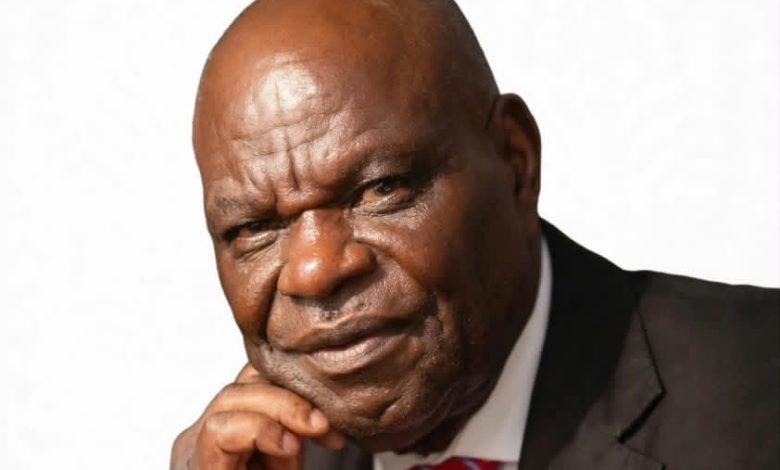
Former Deputy Chief Whip of the Nigerian Senate, Distinguished Senator Emmanuel Ibok Essien, FNSE, has renewed his call for an increase in oil derivation allocation to oil-producing states from 13 percent to 25 percent.
The renewed call comes on the heels of former President Olusegun Obasanjo’s recent endorsement of demands for an upward review of derivation, following his reported admission that oil-producing communities have not gotten a fair deal and that the current 13 percent should only be a starting point for negotiations.
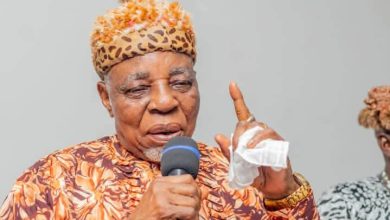
Speaking on ARISE News TV, Senator Ibok Essien, who was a prominent voice in the Senate during Obasanjo’s presidency, expressed surprise at the former President’s new stance.
The former National Chairman of the Pan Niger Delta Forum, PANDEF, recalled that he fought for higher derivation when Obasanjo had the opportunity to address the issue, but the then President opposed it.
According to him, Obasanjo resisted an increase in derivation and opposed payment of the onshore-offshore dichotomy until serious pressure was mounted on his administration.
Related: Ritman University Convocation: Ibokessien Awards Scholarship to best graduating students
Ibok Essien, who participated in the Political Reform Conference convened by Obasanjo, said Niger Delta delegates at the conference demanded 25 percent derivation, while the conference eventually recommended 17 percent. He noted that even that recommendation was not implemented.
The political leader described Obasanjo’s recent position as surprising, coming nearly 19 years after he left office. While welcoming the remarks, he questioned whether the change of position was sincere, suggesting that the former President may have now realized the injustice he failed to address while in power.
The founder of Ritman University also recalled that during his time at the Revenue Mobilisation, Allocation and Fiscal Commission, RMAFC, efforts were made to increase derivation from 13 percent to 15 percent, but the proposal failed due to political challenges.
He urged the RMAFC to revisit the revenue allocation formula and recommend 25 percent derivation, arguing that the environmental pollution, ecological damage and devastation in oil-producing communities require far greater resources to address.
“The suffering in the Niger Delta region is too much,” he said, insisting that current allocations to the region are inadequate to tackle the scale of hardship and environmental degradation.
The Carleton University, Ottawa graduate further argued that increased derivation would benefit not only oil-producing states but all resource-producing areas in Nigeria. He cited gold deposits in Zamfara, feldspar in Kogi, limestone in Ogun and other mineral resources across the country, stressing that the principle of derivation applies to all natural resources.
He called on RMAFC, the National Assembly and other relevant authorities to support the push for 25 percent derivation in the interest of fairness and justice for resource-producing communities across the country.