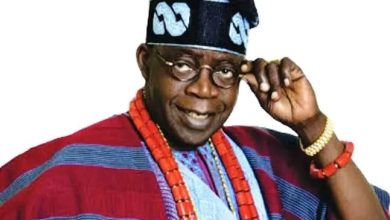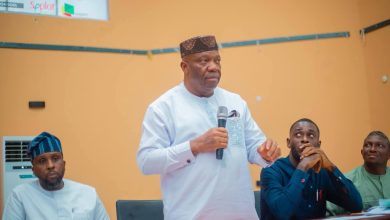
In a world increasingly driven by self-interest and personal gain, true greatness has become rare and easily misdefined. Greatness is often misunderstood as power, wealth or public acclaim. Yet history consistently teaches that the truest measure of a great mind is not measured by the height of personal achievements alone, but by the depth of impact it leaves on others and on society.
It is a mindset that thinks beyond self and momentary gain, choosing instead the higher calling of service, sacrifice, and legacy; a great mind thinks beyond the now, embraces humanity in its fullness, and commits itself to making life better for others.
A great mind is simple at heart, yet profound in vision. It understands that forgiveness is strength, not weakness, and that progress often begins with the courage to let go. Such a mind listens more than it speaks, reflects before it reacts, and chooses peace where others choose conflict. It is patient, teachable, and guided by wisdom rather than ego.
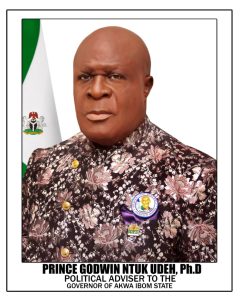
History is replete with examples of great minds whose thoughts and actions altered the course of nations. Nelson Mandela remains a towering symbol of this truth. After enduring long years of incarceration, he emerged to lead South Africa into democracy, not with hatred, but with a reconciliatory spirit, choosing unity over revenge. His great mind turned personal suffering into a national healing process, pain into purpose, and showed the world that moral courage can reshape history.
Similarly, Mahatma Gandhi’s great mind redefined resistance itself. He led India to independence through non-violent resistance and moral persuasion, he confronted imperial power and awakened the conscience of a people. His simplicity of life, clarity of purpose, and unwavering commitment to justice proved that ideas, when rooted in truth, can be more powerful than force.
In the realm of intellect and science, Albert Einstein remains an enduring symbol of a great mind with his theory of relativity, altering science, technology and modern physics forever. His revolutionary ideas transformed humanity’s understanding of space, time, and energy, yet he remained deeply conscious of moral responsibility. Einstein believed that knowledge without compassion was incomplete, reminding the world that intellectual brilliance must be matched with humanity and ethical purpose.
Read Also: A’Ibom Is Blessed To Have Pastor Eno As Governor – Ntuk Udeh
A great mind is approachable and humane. It carries a natural warmth, a genuine smile, and an openness that draws people in. It does not hide behind status or hierarchy but builds bridges of understanding.
Lee Kuan Yew embodied this blend of intellectual rigour and people-centred leadership. With discipline, foresight, intellectual clarity and long-term thinking, he transformed Singapore from a struggling post-colonial port into a global economic powerhouse, proving that a visionary mindset and good governance can rewrite a nation’s destiny.
Amelia Earhart also represents the courage of a great mind. She challenged conventions, defied limitations placed on women, and ventured boldly into the unknown. She broke aviation records as the first woman to fly solo across the Atlantic, redefining what women could achieve in science and exploration. Her pioneering spirit in aviation expanded the boundaries of possibility and inspired generations to believe that barriers exist to be overcome, not obeyed.
In Africa’s political evolution, Kwame Nkrumah stands as another revolutionary great mind. He ignited the Pan-African movement and led Ghana to independence, becoming a rallying point for liberation across the continent. This movement reminded Africans of their shared identity and collective strength. His belief in self-determination and continental unity left enduring footprints in political thought and African nationalism.
A great mind illuminates the path for others. It carries light and is deliberate about sharing it so that others may find direction, confidence, and purpose. Such minds inspire the downtrodden, encourage the uncertain, and awaken hope in communities long deprived of it. Leadership, in this sense, becomes an act of guidance rather than dominance.
Great minds deliberately shape the future by creating spaces where younger generations are nurtured to think boldly, dream expansively, and grow into influential players of tomorrow.
Such future players are sustained through knowledge-driven education, purposeful capacity building, and strategic entrepreneurial training, support, and empowerment.
Ultimately, the measure of a great mind and impact-driven leadership lies not in intentions alone, but in tangible, evidence-based solutions and verifiable results that transform lives and societies.
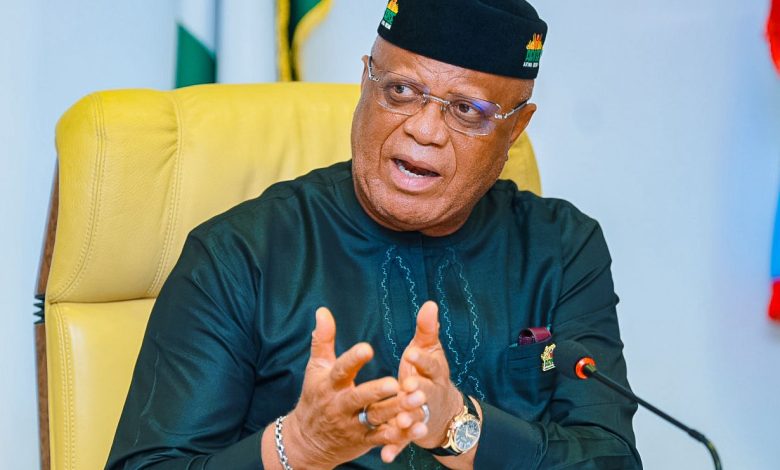
In our contemporary setting, His Excellency, Pastor Umo Bassey Eno, PhD, the Executive Governor of Akwa Ibom State, exemplifies the traits of a great mind—one that fuses compassion with governance, faith with public responsibility, and authority with humility.
In governance, a great mind understands leadership as service and influence as responsibility, and this philosophy finds practical expression in the leadership style of Pastor Umo Eno.
His leadership philosophy reflects inclusiveness, empathy, moral clarity and a deep understanding that power is most meaningful when it serves people and uplifts society.
Governor Umo Eno’s leadership reflects a mind conditioned by empathy, discipline, and faith-based values. Long before assuming public office, his private sector experience and pastoral calling shaped a worldview centred on people, productivity, and purpose. This rare blend of enterprise, spirituality, and administrative competence has become the foundation of his impact-driven governance.
A great mind listens before it leads. Governor Eno’s consultative approach to governance underscores his belief that public policy must emerge from the lived realities of the people. His administration prioritises engagement with communities, traditional institutions, faith leaders, youth, women, and professionals, ensuring that governance is inclusive rather than distant. This listening posture is the hallmark of a leader who understands that wisdom grows through collective insight.
Through the ARISE AGENDA INITIATIVE, Pastor Umo Bassey Eno has reaffirmed his commitment to inclusive and participatory governance, deliberately bringing together men and women of goodwill, statesmen, youth leaders, and stakeholders across the state under one common canopy, resulting in the absence of political tension among actors across party lines in Akwa Ibom United team, working towards a more impact driven and prosperous Akwa Ibom State. This approach transcends party affiliations, creed, tongue and social status, with the singular objective of advancing peace, unity, and sustainable development across the state.
His Excellency has repeatedly emphasised that effective leadership must consciously prioritise harmony over division, especially as political activities gradually intensify ahead of the 2027 elections. His firm focus on unity has introduced a refreshing shift in political administration, where insecurity, tension, and restiveness—often associated with political competition—have significantly diminished, giving way to stability and collective purpose.
By fostering early reconciliation, building consensus, and closing political ranks, his administration will eliminate the needless waste of public resources on ego-driven conflicts and post-election disputes. Instead, governance will remain focused on service delivery, people-centred development, and long-term planning.
The Governor’s deliberate extension of hands of fellowship across political, social, and ideological divides has effectively neutralised divisive rhetoric and reduced the influence of those who thrive on discord in a bid to curry favour or gain relevance. His leadership philosophy has made it increasingly difficult for voices of bitterness and division to find fertile ground.
In the political history of Akwa Ibom State, rarely has unity translated into such genuine and meaningful dividends. What is unfolding is the result of one man’s timely vision that is anchored on a great and disciplined mind, steering Akwa Ibom toward shared ideals, collective identity, and enduring social cohesion.
Indeed, a great mind in leadership is not remembered for noise or controversy, but for progress achieved, lives uplifted, and a society left better than it was found. Pastor Umo Bassey Eno, PhD, stands as a compelling case study of such leadership in our time.
The President of the Senate, Chief (Dr.) Godswill Obot Akpabio, GCON, equally represents the dynamism of a great mind in public life. Through resilience, political dexterity, and a firm belief in human capacity, he has consistently demonstrated that leadership is about empowerment, institution-building, and leaving legacies that outlive titles. A great mind celebrates the success of others and sees collective advancement as the truest measure of achievement.
Across the globe, figures like Martin Luther King Jr. also come to mind. A moral revolutionary whose great mind led the American civil rights movement through faith-driven nonviolence. His advocacy dismantled legalised segregation and expanded civil rights. His dream was not merely personal; it was a shared vision that continues to inspire generations to pursue equality and human dignity.
A great mind freely shares ideas, time, encouragement, and resources without discrimination. It speaks with everyone, listens to everyone, and values every contribution. Whether in quiet conversations or bold decisions, it motivates people to rise beyond limitations, see possibilities and discover their potential.
Such minds are not known for idle talk or destructive criticism. They protect dignity, defend character and build rather than break. They place a premium value on integrity rather than noise, and on character rather than material accumulation. When wealth or influence comes, a great mind uses it as a tool for empowerment, philanthropy, and social transformation.
Great minds are intentional about lifting others. They rejoice in the success of those around them, knowing that shared progress strengthens society. They find fulfilment in seeing people rise from hardship to hope, from dependency to dignity, and from obscurity to relevance.
Across generations and continents, the world has been shaped by these revolutionary great minds, nation builders, reformers, visionaries, and servant-leaders who dared to think differently and act selflessly. Their lives remind us that greatness begins in the mind before it is ever seen in monuments or remembered in history. Indeed, a great mind is a gift to its generation, a light to its society, a golden legacy etched permanently in the sands of time and is therefore a necessity for modern-day transformation and impact-driven leadership.