For millions of Nigerians, a cancer diagnosis often comes with fear, uncertainty, and limited access to quality care. From delayed diagnosis to inadequate awareness and financial hardship, many families continue to face enormous barriers in their fight against the disease. Yet, over the past two decades, one organisation has quietly worked to rewrite that story.
Established in 2006, Sebeccly Cancer Care has remained at the forefront of the fight against cancer across Nigeria. Its impact over 20 years includes screening more than 35,000 women for breast and cervical cancer, offering psychosocial support to over 12,000 cancer survivors, providing welfare packages to 1,000 beneficiaries, and training 250 healthcare professionals to equip them with skills that improve cancer prevention, diagnosis, and patient management.
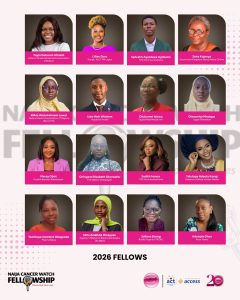
As the organisation marks its 20th anniversary, it has selected 16 media practitioners under the Naija Cancer Watch Fellowship to drive public education on early cancer detection and prevention across Nigeria through storytelling.
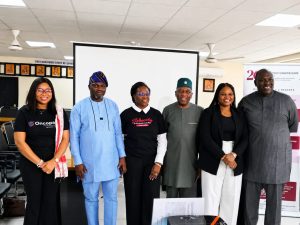
The 10-week hybrid fellowship programme held its first boot camp on Wednesday, July 29, 2026, at the College of Medicine, University of Lagos, Idi-Araba, Surulere, Lagos.
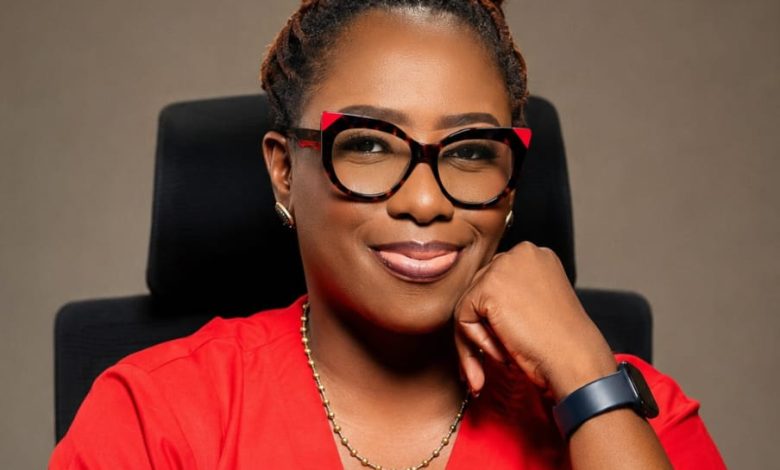
Setting the tone for the event, the founder and executive director of Sebeccly Cancer Care and clinical/radiation oncologist Dr Omolola Salako explained that the fellowship was revived to address Nigeria’s high rate of late-stage cancer presentation, where nearly 70 per cent of cancer cases are diagnosed at an advanced stage.
Read Also: Don Laments Alarming Increase In Breast Cancer and Infant Mortality In Nigeria
She added that the media practitioners would be equipped with the skills to educate the public through impactful storytelling. Accurate information and survivor’s stories, she believed, could do what fear often prevents: encourage people to embrace early screening and seek timely care.
According to her, Sebeccly Cancer Care has leveraged its expertise, partnerships, and advocacy programmes to raise awareness about cancer and promote early detection over the past 20 years.
Beyond the statistics, Salako emphasised the need for the fellows to tell more balanced, evidence-based stories that highlight the consequences of delayed diagnosis while inspiring Nigerians to seek screening and care early.
The boot camp became more electrifying and insightful as two cancer survivors took the fellows through their healing journeys. Benita Egone, a breast cancer survivor, shared how she went on to become a certified accountant even as she continued fighting the illness. Tosin Adewale, a colorectal cancer survivor, spoke of how the disease helped him find his calling in advocacy while teaching him the value of everyday moments.
Their journeys of resilience, hope, and survival put a human face on the statistics the fellowship exists to change.
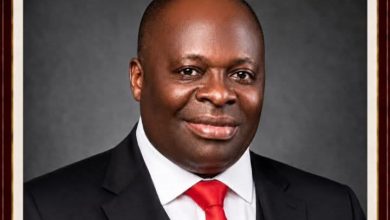
The event also brought together senior voices from medicine, government, and public health. The Provost of the College of Medicine, University of Lagos, Professor Ademola Ayodele Oremosu, and the newly elected Chairman of the Nigerian Medical Association (NMA), Lagos State branch, Dr Sharafadeen Okunade, admonished the fellows while commending Sebeccly Cancer Care’s immense contributions to cancer care and survivor support in Nigeria.
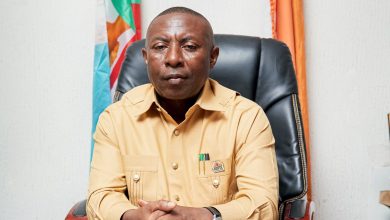
On policy, both the Senior Assistant Technical to the Minister of State for Health, Dr Ololade Kehinde, and the Director of Public Relations and Protocol at the Federal Ministry of Information and National Orientation, Dr Suleiman Haruna, briefed fellows on the National Cancer Control Plan (2026–2030), with Haruna emphasising how evidence-based reporting can shape policy and strengthen community outcomes.
Other sessions covered the clinical dimensions of the story: the digital physician and co-founder of Oncopadi Tech, Dr Adaorah Enyi, spoke on innovations in cancer care and Nigeria’s shortage of oncologists; Professor Solomon Rotimi of Covenant University discussed cancer research and journalism’s role as a bridge to the public; Dr Oyomare Osazuwa-Peters examined the link between obesity and breast cancer outcomes; and Ijeoma Ezenwere of the Aspire Coronation Trust (ACT) Foundation detailed the foundation’s support for screening over 30,000 women and girls for breast and cervical cancer, alongside a session from public relations expert Queen Moremi on storytelling’s power to shift public behaviour.
As Sebeccly Cancer Care celebrates 20 years of impact, the selection of the 16 Naija Cancer Watch Fellows signals the next chapter in its mission, extending the fight against cancer beyond hospitals and clinics into newsrooms, radio stations, and digital platforms, where storytelling can shape public attitudes and, ultimately, save Nigerian lives.